
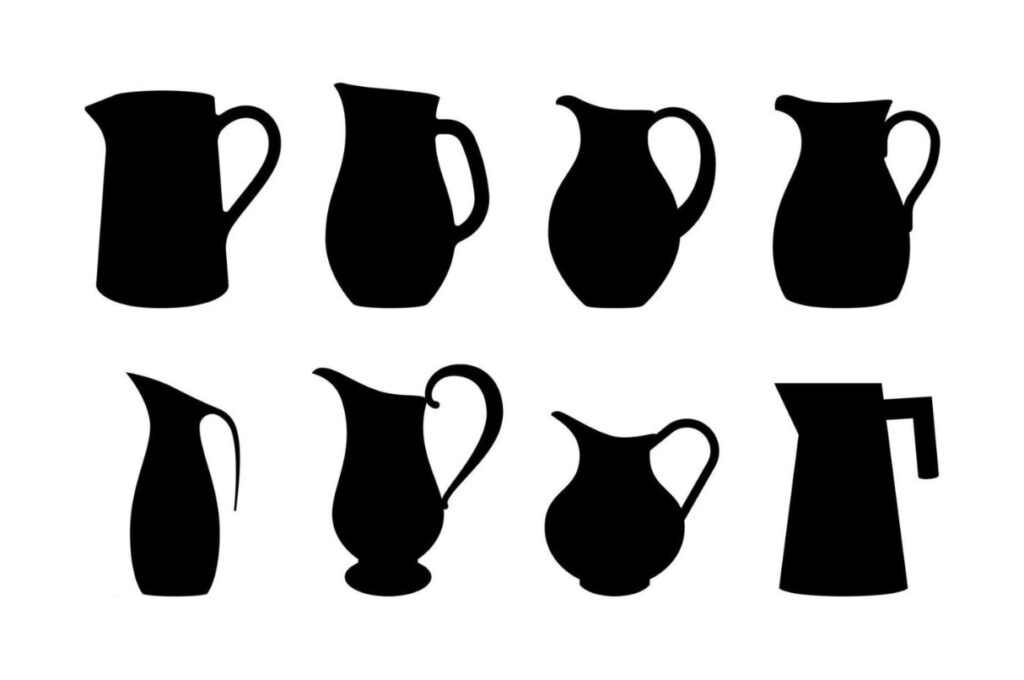
We often choose a pitcher or carafe for its aesthetic, but the true test of its quality is revealed in the pour. The experience of transferring liquid from one vessel to another should be one of effortless control and quiet elegance, free from drips, splashes, or clumsy handling. This seemingly simple action is, in fact, a delicate ballet of physics and ergonomics, choreographed by the weight, balance, and design of the glassware itself. Understanding these elements transforms a routine task into a moment of satisfaction.
The concept of balance is paramount. A well-balanced pouring vessel has its center of gravity aligned with where you naturally hold it—typically at the neck or handle. When you tilt it, the weight should feel distributed, not straining your wrist or wanting to tip forward uncontrollably. This balance provides a sense of authority and precision, allowing you to modulate the flow with subtle movements rather than fighting against the object’s own momentum. A poorly balanced piece feels awkward and insecure, turning every pour into a potential accident.
Weight contributes significantly to this feeling of control. A piece with a substantial, but not burdensome, heft conveys durability and quality. This mass also provides inertia, creating a smoother, more stable pouring motion. Conversely, an overly light vessel can feel flimsy and is more susceptible to shaky hands, leading to a choppy pour. The ideal weight is one that feels reassuring in your hand, suggesting it can withstand daily use while providing the physical feedback needed for a steady stream.
The design of the spout, or lip, is the critical interface between the vessel and the receiving glass. A well-executed spout features a sharp, clean “cut” at the pouring edge. This creates a cohesive meniscus, allowing the liquid to flow off in a single, cohesive stream that breaks cleanly at the end of the pour, minimizing last-drop drips down the side—a common flaw known as “tearing.” Some designs incorporate a subtle groove or beak to further direct and control the flow.
Beyond mechanics, weight and balance influence the ritual and presentation. A heavy-bottomed decanter feels ceremonial when pouring a special beverage, its stability on the table and in the hand adding to the occasion’s gravity. A lightweight, perfectly balanced creamer allows for graceful, one-handed use at the breakfast table. These sensory details elevate function to form, making the act of serving as enjoyable as consuming.
Ultimately, investing in glassware designed with these principles in mind is an investment in daily grace. It’s about choosing tools that perform their function so intuitively they become invisible, leaving only the pleasure of the moment. The next time you pour, pay attention to how the vessel feels. The right weight, perfect balance, and a sharp lip are the unsung heroes that turn a basic necessity into an artful gesture.