
Fine glassware, with its brilliant transparency and delicate forms, demands a specific kind of stewardship. Proper care is not just about cleanliness; it’s a preservation strategy to maintain that like-new sparkle, structural integrity, and tactile pleasure for generations. The enemy of glass is often not a single dramatic break, but the slow, cumulative damage from improper handling, harsh chemicals, and microscopic scratches. With informed practices, your collection can remain a source of joy and beauty indefinitely.
The first line of defense is mindful handling. Always hold glassware by the stem or base, not the rim or bowl, where natural oils from your fingers can create smudges and transfer to other surfaces. When storing, avoid stacking glasses directly inside one another unless they are specifically designed for it. The pressure and friction can cause chips and cracks. Instead, use soft dividers, or store them upright in a cabinet with adequate space. For delicate pieces like fine crystal or hand-blown art, consider individual cloth bags for ultimate protection.
Washing is the most frequent point of contact and potential harm. The golden rule is gentle warmth, not extreme heat. Sudden temperature changes (thermal shock) can cause hidden stress fractures or outright breaks. Pre-rinse to remove debris, then wash in lukewarm water with a mild, non-abrasive detergent. Avoid harsh dishwasher pods with intense degreasers or citric acid, as these can gradually etch and cloud the glass surface over hundreds of cycles, dulling its brilliance permanently.
The tools you use are crucial. Opt for a soft sponge or a dedicated bottle brush with soft bristles for decanters and carafes. Steel wool, abrasive scrub pads, or harsh scouring powders are the arch-nemeses of glass, creating a web of fine scratches that scatter light and make the glass look perpetually dirty. For stubborn residues like dried milk or juice, allow the glass to soak in lukewarm, soapy water to soften the deposit before gently wiping it away.
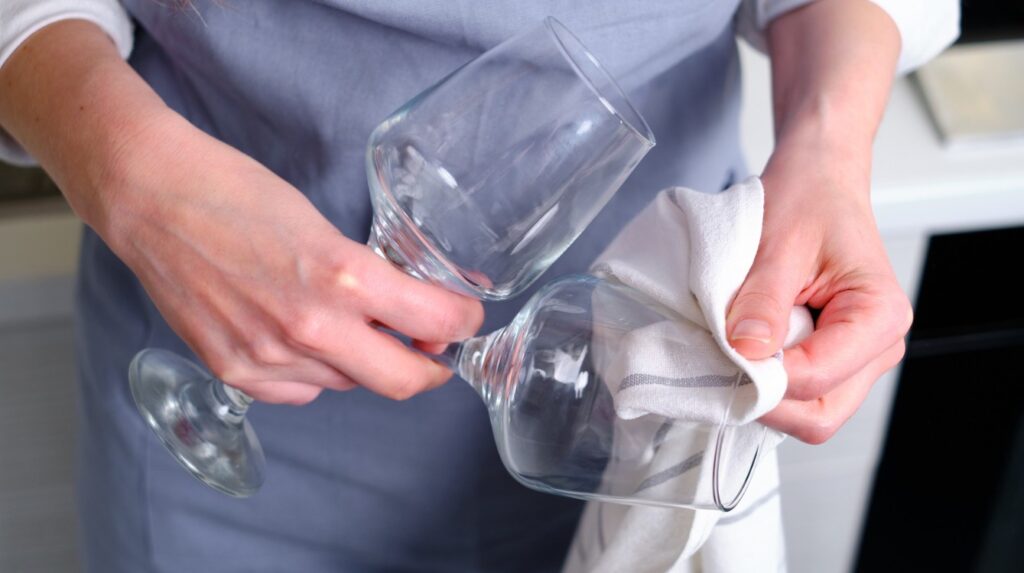
Drying is the final, critical step to prevent water spots, especially in areas with hard water. While air-drying on a clean rack is acceptable, the best method for a streak-free shine is to hand-dry immediately with a 100% lint-free cotton or microfiber cloth. Gently polish the glass, paying attention to the rim and any intricate cuts or engraving. This not only ensures a spotless finish but also gives you a moment to inspect each piece for any new, hairline imperfections.
For persistent issues like cloudiness from hard water minerals or a white “film” from dishwasher etching, specialized care is needed. Soaking in a solution of equal parts white vinegar and warm water can dissolve mineral deposits. For more severe etching, professional polishing compounds exist, but prevention is always superior to correction. Ultimately, treating your glassware with this level of consideration becomes a ritual of respect. It’s an acknowledgment that these objects are not disposable, but enduring companions to your daily life, deserving of care to ensure their clarity and beauty last a lifetime.