
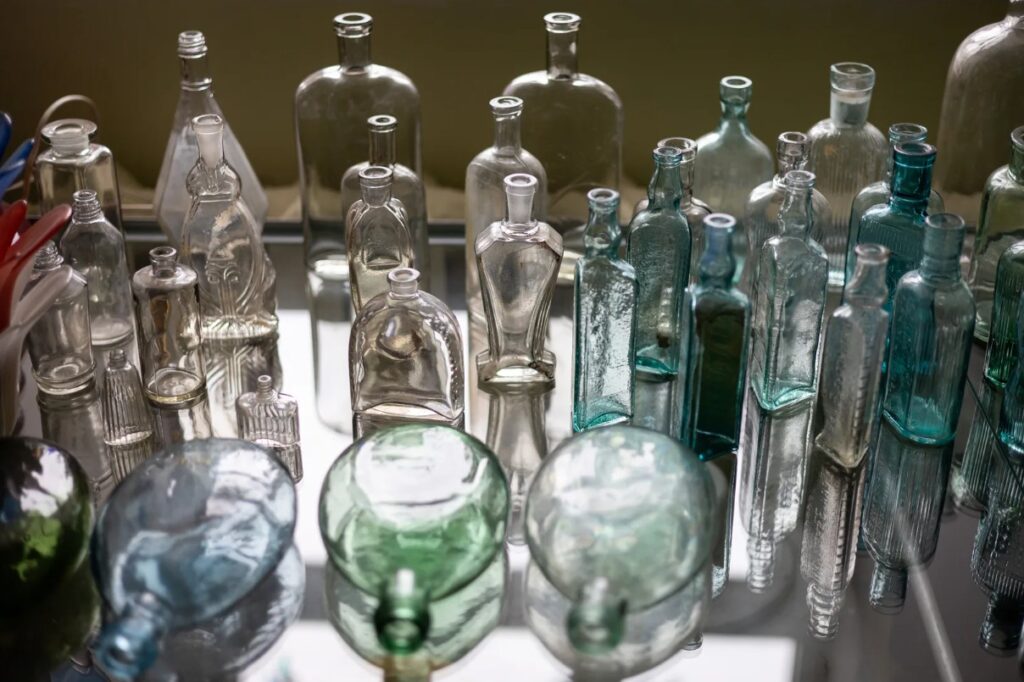
While the humble tumbler serves admirably, the world of glassware expands into a fascinating landscape of specialized forms, each a masterpiece of design tailored to enhance a specific experience. These shapes are not arbitrary; they are the result of centuries of evolution, where function has been meticulously refined into an art. Exploring these forms reveals how the vessel is an active participant in the ritual, shaping aroma, temperature, taste, and even social interaction. Moving beyond the basic cup is an invitation to fully appreciate the nuances of what we consume.
Consider the classic wine glass. Its form is a sensory amplifier. The large, rounded bowl allows a red wine to aerate, softening tannins and releasing its complex bouquet of aromas, which are then funneled toward the nose by the narrower opening. A white wine glass, with a slightly smaller bowl and taller design, focuses more delicate aromas and helps maintain a cooler temperature. The stem serves a crucial purpose: it allows you to hold the glass without warming the wine with your hand, preserving its intended character.
The apothecary jar, with its wide mouth and heavy, ground-glass stopper, is a triumph of preservation and presentation. Originally designed to keep herbs and tinctures airtight, its form has been adopted in modern kitchens for storing dry goods, creating visually pleasing pantries where contents are visible yet protected from air and moisture. The substantial stopper provides an immensely satisfying seal, and the thick glass walls speak of durability and timeless laboratory precision.
For the hot beverage aficionado, the double-walled beaker or mug is a feat of engineering made visible. By creating a vacuum-sealed space between two layers of glass, this design provides superb insulation, keeping drinks hot without burning your hands and cold drinks cool without condensation. Beyond function, it creates a mesmerizing visual effect, seemingly suspending liquid in mid-air. This form celebrates the beauty of the drink itself—the color of coffee, the swirl of tea leaves—while providing ultimate comfort in use.
Finally, the decanter is the epitome of ceremonial service and slow appreciation. Its broad base maximizes surface area for a spirit or wine to breathe, accelerating the oxidation process that opens up flavors. The long neck facilitates a controlled, drip-free pour. A decanter is not just a container; it is a centerpiece that commands attention, transforming a bottle’s contents into something shared and savored. It slows down the moment, encouraging us to pour, admire, and converse.
Embracing specialized glassware is a commitment to intentional living. It acknowledges that the right tool elevates the task. Whether it’s the focused aroma of a spirit in a snifter, the fizz-preserving tall shape of a soda fountain glass, or the practical elegance of a vinegar cruet with a built-in spout, each form tells a story of purpose. Collecting and using these pieces is a journey of discovery, where every meal and drink becomes an opportunity to engage more deeply with the pleasures of the table.